




Blog / Huntington Beach Ford Service

Blog

All Huntington Beach Ford Service Huntington Beach Ford Dealer Huntington Beach Used Cars Food in Huntington Beach
Ford Service

5 Simple Ways to Extend the Life of Your Ford Vehicle

Introduction Every Ford owner wants their vehicle to last as long as possible, but like any machine, your car requires regular care and maintenance to continue performing at its best. Whether you're driving a Ford Focus, Explorer, or Mustang, following a few simple tips can extend the lifespan of your vehicle, saving you money on repairs and ensuring your car serves you well for many years. 1. Follow the Manufacturer’s Maintenance Schedule One of the most important things you can do to extend the life of your Ford is to stick to the manufacturer’s recommended maintenance schedule. This schedule includes routine services such as oil changes, tire rotations, brake inspections, and fluid checks that are designed to keep your vehicle running smoothly. Oil Changes: Regular oil changes are essential to keep your engine well-lubricated and prevent excessive wear. Tire Rotations: Rotating your tires every 6,000 to 8,000 miles helps ensure even tire wear and prolongs their lifespan. Brake Inspections: Regular brake inspections help detect wear before it becomes a safety hazard and avoid costly repairs down the road. 2. Keep the Engine Clean A clean engine runs more efficiently and can help prevent overheating, rust, and other damage. Engine Bay Cleaning: Periodically clean the engine bay to remove dirt, debris, and oil buildup that can negatively impact engine performance. Replace Filters Regularly: Make sure to change the air filter, cabin filter, and fuel filter according to your vehicle’s service manual to ensure optimal engine performance. 3. Check and Maintain Fluid Levels Fluids are essential to your Ford’s operation, and maintaining proper fluid levels is key to ensuring the longevity of your vehicle. Engine Oil: Make sure your engine oil is always at the correct level and change it as recommended by Ford. Transmission Fluid: Check your transmission fluid regularly. Low levels can cause transmission damage. Brake Fluid: Monitor your brake fluid and top it off as needed to ensure safe braking performance. Coolant and Antifreeze: Keeping your engine cool and running efficiently is crucial, especially in hot climates or during long road trips. 4. Drive Carefully and Responsibly How you drive can have a huge impact on the lifespan of your vehicle. Aggressive driving, rapid acceleration, and hard braking cause extra strain on the engine, transmission, and brakes, leading to premature wear. Smooth Accelerations: Avoid sudden accelerations that can stress the engine. Slow Down: Don’t over-rev the engine, and slow down to avoid unnecessary strain on the vehicle. Avoid Short Trips: Frequent short trips can prevent your engine from fully warming up, which can lead to carbon buildup. 5. Protect Your Ford from the Elements Protecting your Ford from the elements can help prevent rust, paint damage, and overall wear and tear. Wash Regularly: Wash your car regularly to remove dirt, salt, and other debris that can cause corrosion, especially in winter months. Wax Your Car: Waxing your car every few months helps protect the paint from scratches and environmental damage. Park in a Garage: Whenever possible, park your car in a garage or under a cover to shield it from the sun, rain, and snow. Conclusion By following these five simple tips, you can significantly extend the life of your Ford vehicle and ensure it continues to perform at its best for many years to come. Whether you're looking to save money on repairs or simply want to enjoy a reliable vehicle, these maintenance habits will help you achieve your goal. Visit Huntington Beach Ford 18255 Beach Blvd Huntington Beach, CA 92648 Learn more: www.huntingtonbeachford.com
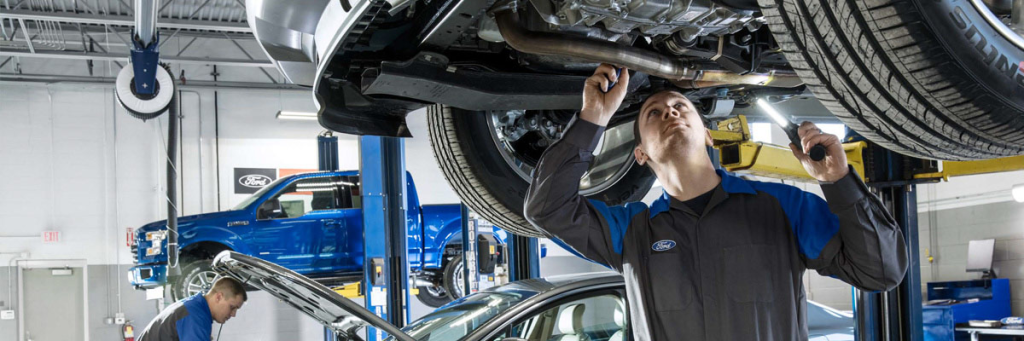
Certified Ford Service

How to Prepare Your Ford for Winter: Essential Maintenance Tips

Introduction As winter approaches, it’s crucial to ensure that your Ford is ready for colder temperatures, icy roads, and unpredictable weather. Proper winter maintenance can prevent breakdowns, increase safety, and improve the overall performance of your vehicle. Whether you're driving a Ford F-150, Ford Escape, or Ford Mustang, these essential winter preparation tips will help keep your vehicle in top condition through the colder months. 1. Check the Battery One of the first things to inspect when preparing your Ford for winter is the battery. Cold temperatures can significantly reduce the efficiency of your car’s battery, and it’s essential to ensure it’s in good condition before the colder weather sets in. Test the Battery: Have your battery tested at Huntington Beach Ford to ensure it can hold a charge. Check for Corrosion: Look for signs of corrosion around the battery terminals. Clean the terminals using a mixture of baking soda and water to prevent electrical issues. Replace if Necessary: If your battery is over 3 years old, it’s a good idea to have it replaced, as older batteries tend to fail when the temperature drops. 2. Inspect Tires Tires are one of the most critical components for safe winter driving. You need tires that can grip the road, especially in wet, icy, or snowy conditions. Check Tire Pressure: Cold weather causes tire pressure to drop. Check your tire pressure monthly and ensure it meets the recommended levels specified in your Ford’s owner’s manual. Inspect Tire Tread: Make sure the tread is deep enough for winter driving. If the tread is worn, replace the tires to avoid losing traction. Consider Winter Tires: If you live in an area where snow or ice is common, investing in a set of winter tires could be a smart move. These tires are specifically designed to perform better in cold, slippery conditions. 3. Replace or Top Off Fluids Fluids play a significant role in the smooth operation of your Ford during winter months. Cold weather can affect fluid viscosity, leading to poor performance. Engine Oil: Consider switching to a winter-grade oil (5W-30, 10W-30) for better performance in cold temperatures. Coolant/Antifreeze: Ensure that your coolant mixture is at the proper 50/50 ratio to prevent freezing in the radiator. Have the coolant flushed and replaced if it’s been a while since the last service. Windshield Washer Fluid: Replace your windshield washer fluid with one designed for cold temperatures to prevent it from freezing. Transmission Fluid: Ensure your Ford’s transmission fluid is at the proper level, as low fluid can lead to shifting issues, especially in colder temperatures. 4. Inspect the Brakes Your Ford’s brake system is essential for winter driving. Icy or snowy roads can make it difficult to stop quickly, so having fully functional brakes is vital for your safety. Brake Pads: Have your brake pads inspected for wear and tear. If the pads are thin, replace them before winter arrives. Brake Fluid: Check the brake fluid level. Low brake fluid can reduce braking efficiency, especially in colder weather. 5. Check Your Wipers and Lights Visibility is key in winter driving. With shorter days and inclement weather, ensuring your wipers and lights are working properly will help you stay safe on the road. Windshield Wipers: Inspect your wiper blades for wear. Replace them if they’re leaving streaks or missing spots. Headlights and Taillights: Ensure all exterior lights are working. Consider upgrading to brighter, more durable LED bulbs for improved visibility. 6. Check the Exhaust System Your Ford’s exhaust system helps expel gases from the engine, and in winter, it plays an important role in preventing dangerous carbon monoxide from leaking into the cabin. Inspect for Leaks: Have the exhaust system checked for leaks or damage that could allow carbon monoxide into your vehicle. Check for Blockages: Ensure that the exhaust system is clear of snow or ice buildup to allow proper ventilation. 7. Consider a Winter Survival Kit A winter survival kit can be a lifesaver if you’re caught in a snowstorm or stranded on the road. Here’s what to include: Blanket First aid kit Flashlight and extra batteries Jumper cables Ice scraper and snow brush Non-perishable snacks Extra gloves and a hat Conclusion By following these essential maintenance tips, you’ll ensure that your Ford is ready for whatever winter throws your way. A little preparation now can save you a lot of trouble down the road and keep you safe in the colder months. Don’t hesitate to bring your vehicle into Huntington Beach Ford for a winter check-up, where our expert technicians will ensure your car is fully ready for the season. Visit Huntington Beach Ford 18255 Beach Blvd Huntington Beach, CA 92648 Learn more: www.huntingtonbeachford.com
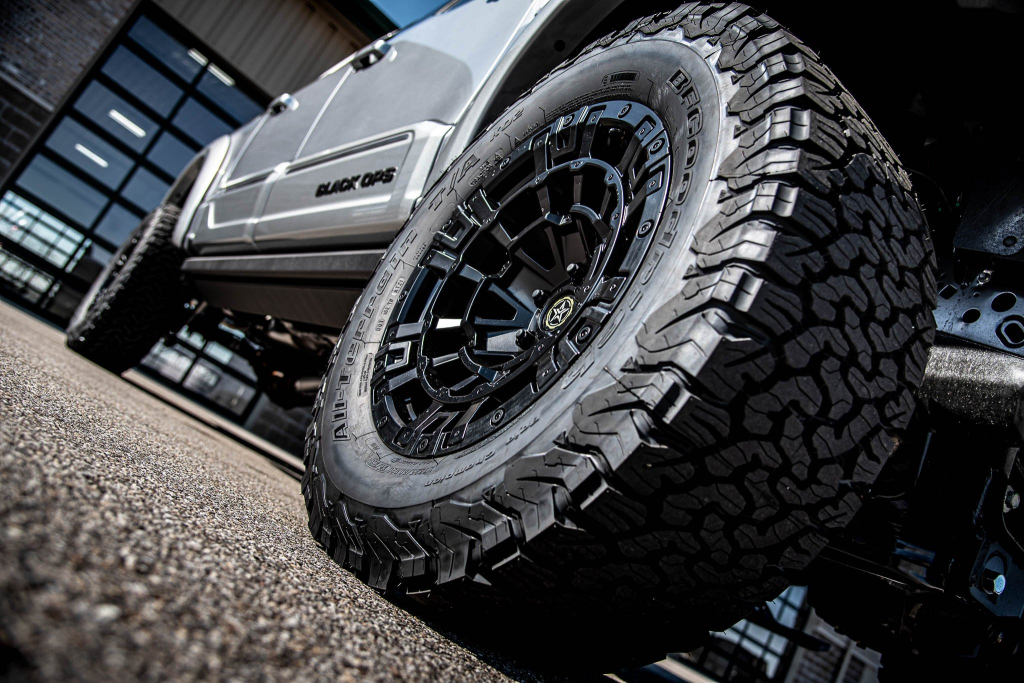
Ford F-150 Tires

The Ultimate Guide to Tire Maintenance: Keeping Your Wheels Rolling Smoothly

Tires are often one of the most overlooked components of vehicle maintenance, yet they play a crucial role in safety, performance, and fuel efficiency. Proper tire maintenance not only extends the life of your tires but also ensures a smoother, safer ride. In this guide, we'll cover essential tire maintenance tips to help you keep your tires in top condition. Why Tire Maintenance Matters Tires are the only point of contact between your vehicle and the road. Regular maintenance is vital for several reasons: Safety: Well-maintained tires provide better traction and handling, reducing the risk of accidents. Fuel Efficiency: Properly inflated tires improve fuel economy, saving you money at the pump. Longevity: Regular inspections and maintenance can extend the life of your tires, saving you the cost of premature replacements. Essential Tire Maintenance Tips 1. Regularly Check Tire Pressure Maintaining the correct tire pressure is critical for safety and efficiency. Under-inflated tires can lead to poor handling, increased tire wear, and reduced fuel efficiency. How to Check: Use a reliable tire pressure gauge to measure the pressure when the tires are cold (before driving). Refer to the manufacturer’s recommended pressure, usually found on a sticker inside the driver’s door or in the owner’s manual. When to Check: Check your tire pressure at least once a month and before long trips. 2. Inspect Tread Depth Tread depth affects traction and braking performance. Worn tires can increase stopping distances and decrease stability, especially in wet conditions. How to Measure: Use the “penny test”: Insert a penny into the tread grooves. If you can see Lincoln’s entire head, it’s time to replace your tires. When to Inspect: Check tread depth every few months and before any long trip. 3. Rotate Tires Regularly Tire rotation helps ensure even wear on all tires, extending their lifespan and improving performance. How Often: Rotate your tires every 5,000 to 7,500 miles or as recommended in your owner’s manual. Pattern: Follow the rotation pattern recommended by the manufacturer, which may vary depending on whether your vehicle is front-wheel drive, rear-wheel drive, or all-wheel drive. 4. Align and Balance Your Tires Misalignment and imbalance can lead to uneven tire wear and negatively affect handling. Signs of Misalignment: If your vehicle pulls to one side or your steering wheel is off-center, it may be time for an alignment. Balancing: If you notice vibrations in the steering wheel or seat while driving, your tires may need balancing. Have this checked during regular maintenance. 5. Inspect for Damage Regularly inspect your tires for signs of damage, such as cuts, punctures, or bulges. What to Look For: Check for foreign objects lodged in the tread, cracks in the sidewalls, and any irregularities in shape. Action: If you find significant damage, have the tire evaluated by a professional. Sometimes, a tire can be repaired, but other times, replacement is necessary. 6. Store Tires Properly If you switch between winter and summer tires, proper storage is crucial for maintaining their condition. Storage Tips: Store tires in a cool, dry place away from direct sunlight. Stack tires vertically, or hang them on hooks to prevent deformation. Avoid: Keep them away from chemicals and heat sources, which can deteriorate the rubber. Conclusion Regular tire maintenance is essential for ensuring your vehicle’s safety and performance. By following these tips, you can extend the life of your tires, improve fuel efficiency, and enhance your overall driving experience. At Huntington Beach Ford, we’re committed to helping you keep your vehicle in optimal condition. If you need assistance with tire maintenance or have any questions about your vehicle, our knowledgeable team is here to help. Visit us today for expert service and advice! Visit Huntington Beach Ford Today! 18255 Beach Blvd Huntington Beach, CA 92648 Learn More: www.huntingtonbeachford.com

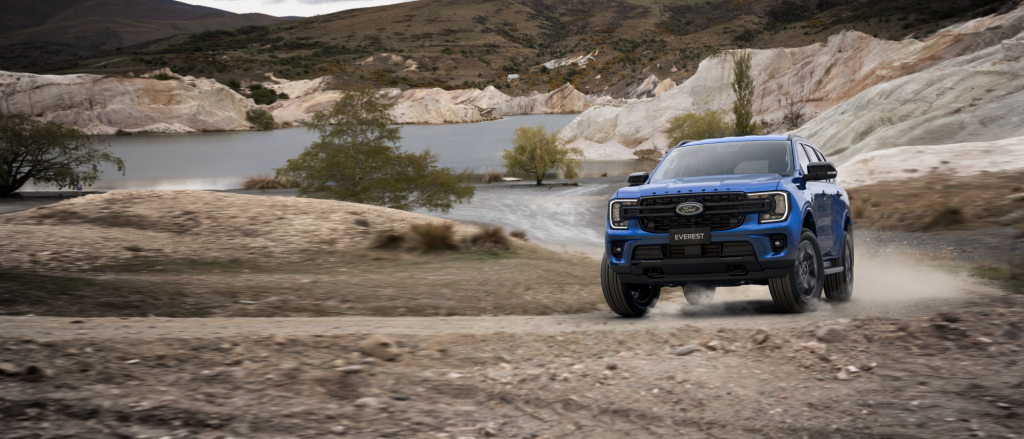
2024 Ford Everest

Understanding Ford’s Warranty and Maintenance Plans at Huntington Beach Ford

When you invest in a Ford vehicle, understanding the warranty and maintenance plans is crucial for ensuring your vehicle remains in optimal condition throughout its lifespan. At Huntington Beach Ford, we want to provide you with all the information you need regarding Ford’s warranty offerings and maintenance plans, so you can drive with confidence knowing your investment is protected. 1. Ford’s Warranty Overview Ford vehicles come with a comprehensive warranty package designed to cover various aspects of your vehicle, giving you peace of mind. Here’s a breakdown of the key components: Basic Limited Warranty: This warranty covers the vehicle for 3 years or 36,000 miles, whichever comes first. It includes coverage for defects in materials and workmanship, ensuring that any issues arising during this period will be addressed. Powertrain Warranty: Ford offers a 5-year or 60,000-mile powertrain warranty, covering essential components such as the engine, transmission, and drivetrain. This extended coverage is particularly important for drivers who put a lot of miles on their vehicles or rely on their Ford for towing and hauling. Corrosion Perforation Warranty: This warranty provides coverage against rust and corrosion for 5 years, with no mileage limitation. It’s a significant benefit, especially in coastal areas like Huntington Beach where vehicles may be exposed to salty air. Roadside Assistance: Included for the duration of the basic warranty, Ford’s roadside assistance program offers peace of mind in case of unexpected issues. This service includes help with flat tires, lockouts, fuel delivery, and more. 2. Ford Maintenance Plans In addition to the warranty, Ford offers maintenance plans to help keep your vehicle in top shape: Ford Protect Maintenance Plans: These plans provide scheduled maintenance coverage for up to 8 years or 150,000 miles, depending on the plan you choose. They cover essential services such as oil changes, tire rotations, and brake inspections. By investing in a maintenance plan, you can ensure that your vehicle receives timely care, which can enhance performance and resale value. Flexible Payment Options: Ford Protect Maintenance Plans offer various payment options, including prepayment and pay-as-you-go plans, making it easier to manage your budget. Transferable Plans: If you decide to sell your Ford before the plan expires, the remaining coverage is transferable to the new owner, adding value to your vehicle. 3. Why Regular Maintenance is Important Regular maintenance is crucial for the longevity and performance of your Ford vehicle. Here are some benefits of adhering to a maintenance schedule: Preventive Care: Routine checks can help identify potential issues before they become major problems, saving you time and money in the long run. Enhanced Performance: Keeping up with maintenance ensures that your vehicle runs efficiently, providing optimal performance and fuel economy. Retained Value: A well-maintained vehicle is more attractive to potential buyers, which can enhance its resale value. Safety: Regular inspections can help ensure that critical components, such as brakes and tires, are in good condition, keeping you and your passengers safe on the road. 4. What to Expect During Routine Maintenance When you bring your Ford to Huntington Beach Ford for routine maintenance, here’s what you can expect: Comprehensive Inspections: Our skilled technicians will perform thorough inspections of your vehicle’s key systems, including brakes, suspension, and fluids. Genuine Ford Parts: We use only genuine Ford parts to ensure that your vehicle maintains its performance and integrity. Transparent Communication: We believe in keeping our customers informed. Our team will explain any recommended services and answer any questions you may have. Convenient Service Options: At Huntington Beach Ford, we offer flexible service hours and online scheduling to make maintenance as convenient as possible for you. 5. Conclusion Understanding Ford’s warranty and maintenance plans is essential for making the most of your vehicle ownership experience. With comprehensive coverage and flexible maintenance options, Ford ensures that your investment is well-protected and well-maintained. At Huntington Beach Ford, we’re dedicated to helping you navigate your warranty and maintenance options. Our knowledgeable staff is here to answer any questions and assist you in keeping your Ford vehicle in peak condition. Visit us today to learn more about our services and to schedule your next maintenance appointment! Visit Huntington Beach Ford Today! 18255 Beach Blvd Huntington Beach, CA 92648 Learn More: www.huntingtonbeachford.com

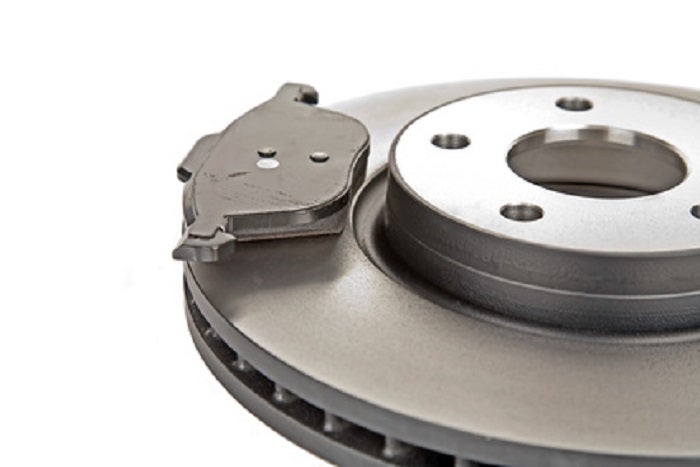
brake disk and one brake pad

Brake Maintenance on a Ford Edge Near Los Angeles

Did you know that your brake components are made up of ceramic fibers, resin, and metal shavings? Each time you use your brakes, little pieces of your brake parts get shaved off. Over time, your brake pads, rotors, and calipers wear out. At Huntington Beach Ford near Los Angeles, we offer brake inspections, fluid checks, and other types of services to ensure that your Ford Edge stops every time. How do brakes on my Ford Edge work? All models of vehicles use a similar method of braking. Although the parts may differ slightly, they all function in the same way. Your Ford parts consist of: Master brake cylinder Brake fluid reservoir Brake lines Rotors Brake pads Calipers Once you press your brake pedal, then a signal goes to your master brake cylinder. The cylinder then activates your calipers, which are located at each tire. The calipers move your brake pads and push them against the rotor. With compression, the rotor stops spinning. In return, your car stops moving. Throughout the process, your brake lines deliver brake fluid to your moving parts to ensure that everything turns and runs smoothly. How long do brakes last? You’ll find recommendations in your owner’s manual. Typically it’s suggested that you get a brake inspection every third oil change or at about 10,000 miles of use. But, if you spend a lot of time in stop-in-go traffic, then your brakes will wear out sooner. Brake service at Huntington Beach Ford Our team at Huntington Beach Ford is here to help you maintain your Ford Edge. If you are concerned about the life of your brakes or simply want an inspection to ease your mind, then stop by or schedule your appointment online.

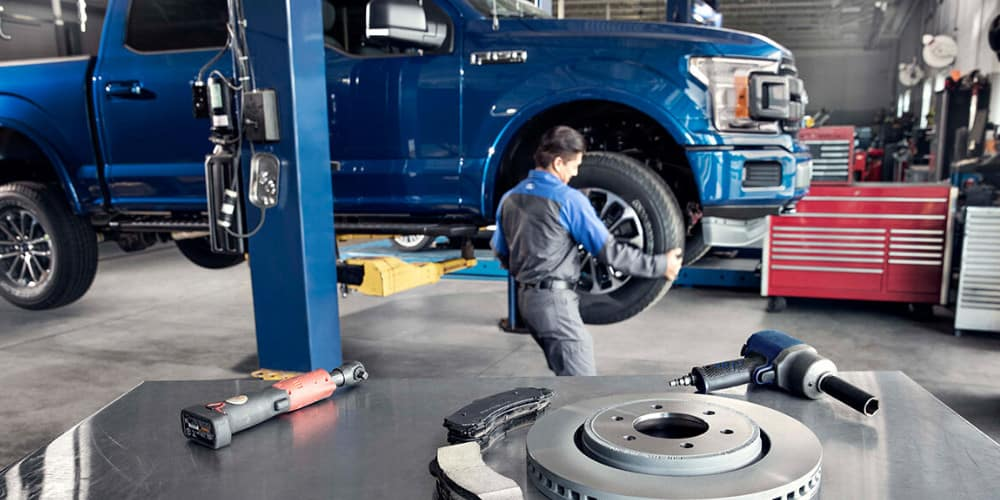
Certified Car Service

Give Your Ford F-150 Quick Service near Cerritos, CA

Most drivers know that maintaining a Ford vehicle is vital for safety and longevity, but hectic lifestyles can make it challenging to schedule timely service. That’s why Huntington Beach Ford near Cerritos, CA wants to let you know about our Quick Lane® Tire and Auto Center. With more than 650 locations across the United States, Quick Lane® is the best way to keep your car, truck, or SUV up-to-date on scheduled maintenance and take care of minor repairs without disrupting your busy day. Name-Brand Tires and Ford Parts Tire rotations are important in extending the life of your tires, but eventually, you’ll need to replace them. Quick Lane® is your one-stop-shop for trusted tires from Goodyear®, Michelin, Continental Tire, Yokohama, BF Goodrich, and more. We’ll even mount and balance your new tires and only use genuine Ford parts as well. Regular Maintenance Whether you get an oil change, coolant system check, battery test, belt or hose replacement, or brake service, Quick Lube® Tire and Auto Center at Huntington Beach Ford can get your vehicle in and out in no time. There’s no need for an appointment at Quick Lube®, even during evenings and weekends. Not driving a Ford F-150? No worries; our expert technicians are highly trained and can service vehicles of any make or model. We only use manufacturer-recommended parts, so you're guaranteed quality and performance. Whether your car is new or a few years old, don’t overlook the importance of routine maintenance. Visit our Quick Lane® location for fast, reliable service, and while you’re at it, feel free to browse our lot at Huntington Beach Ford. We have a vast inventory of new Ford vehicles, like the 2019 Ford F-150. Come by and see us today!

6 Basic Car Maintenance Tips

If you plan on your car lasting you a lot longer than 100,000 miles, the key is maintenance. Little things like reading the owner’s manual to better understand what your car needs can help improve their shelf life by hundreds of thousands of miles. There is no such thing as too much maintenance. If you rotate your tires or get an oil change more frequently than normal, your car isn’t going to hate you for it. These are just some easy maintenance tips to help your car last far past its standard 100,000 miles. Get an Oil Change Every time you start your vehicle, you’re creating friction between all of the moving parts involved. This can prove deadly to your car’s lifespan. If you can eliminate this friction, you’ll have a smoother operation. This is why checking your oil levels often is critical in keeping your car in its best shape. Depending on your car’s owner’s manual, you should be changing the oil every 5,000 to 10,000 miles to ensure everything is properly lubricated. The oil levels in your Ford Edge in Costa Mesa help not only keep friction levels down in your car, but the oil is also a fluid that disperses some heat inside of your vehicle. An engine will run hotter with less oil in it to a point where you may blow the engine. This step hardly takes any time or great amounts of effort to complete this. In the long run, you’ll be grateful for completing this step regularly. Add Brake Fluid If you’re already checking your oil levels, you might as well check on the brake fluid. Brake fluid levels are important in saving your brake system from seizing up. Just as the oil helps lessen the friction of your car’s engine, the brake fluid lubricates the brake system in order for it to run smoothly. Constantly checking your brake fluids will allow you to stop easier and not have to replace your brakes as often as before. If the brake fluid is in between the minimum and maximum marks in the fluid reservoir, that is usually fine. Again, you should check with your owner’s manual to see where your brake fluid should be at. Replace Transmission Fluid Ensuring you have the right amount of transmission fluid in your car is an important part of cooling the transmission. This fluid also lubricates moving parts and smoothes the ongoing shifts between the gears. If you live in the city this could be a definite problem, as stop-and-go driving puts a lot of wear and tear on your transmission. If you want to keep your Ford Mustang in Costa Mesa at tip-top shape, you should check the fluid often. It’s recommended that you check the fluid level while the engine is running. In order to avoid any transmission failures, it’s critical to use the fluid recommended by the automaker. You should ask your dealership about what might be best for your car. Check Tire Pressures To get more miles out of your tire, checking the air pressure is key. This can also affect the comfort and handling of your car. With the amount of technology being released almost daily, there are now simple tools you can use to check your tire’s air pressure. It’s recommended that this be done on a weekly basis, but it won’t hurt if you do it more frequently than that. It’s also important to rotate your tires regularly. Tires can be super expensive, so you want to ensure they’ll last through multiple seasons. The owner’s manual will state how often the tires should be rotated. Replace Engine Air Filter For your engine to run properly, it needs to have the proper mixture of air and fuel. For this to happen, there needs to be a reasonable amount of air being sucked into your car’s engine. The engine air filter needs to be replaced regularly, so your engine will not contain debris. If you hear any odd sounds coming from the engine, this may be the problem. If you live in a city, there will most likely be more debris making their way into your vehicle than if you were to live in a rural area with open roads. Follow your vehicle manufacturer’s recommendations on how often the air filter should be replaced. Use Professional Detailing Supplies The interior and exterior of your car are what most people notice when they see your vehicle. This is why it’s important to make sure these areas look their best. Using superior detailing products over cheaper options will ensure a better shine that lasts longer. If you buy supplies from your Ford dealer in Costa Mesa, they will be able to show you the best prices, and may even give you a discount if you’re a returning customer. To check anything under the hood of your car, you should make sure to have your vehicle on a level surface to avoid any problems from occurring. This will also allow you to have the best view of what’s going on in there. Doing car maintenance can take a lot of time and planning in advance. There are several different apps that can now help you keep track of all your maintenance and send you notifications when it’s time to check something in your car. Using these apps along with your owner’s manual, you’ll be able to figure out a system that works best for you. This way, you’ll be able to stay on top of your car’s maintenance so it can last you for several years longer.

When Is It Time for New Tires? Key Warning Signs to Watch Out For

Understanding vehicle tires can sometimes seem a bit overwhelming. Not only do owners need to understand the warning signs that mean it is time for a tire change, but they also need to know the type of tire that is going to work best for their vehicle. This article will not only highlight some of the major signs that indicate that it is time for new tires, but also the different types of tires out there so that vehicle owners will know what type of tire is best suited to their vehicle and their needs. Seven Warning Signs That It Is Time for a Tire Change 1. Uneven Tread Wear When assessing the quality of a vehicle’s tires, the tread should always be one of the first places to look. Any signs of uneven tread wear can indicate that the tires are past their prime or in need of alignment so it is always important to keep an eye out for uneven wear and tear. Newer tires are sometimes equipped with handy technology called tread wear indicator bars that will give drivers a clear indication of when it is time for a tire change. These bars, which run generally run perpendicular to the regular tread pattern of the tire, will be invisible or almost invisible to the naked eye is the tires are new or in good condition. However, as the tires become worn, the bars will begin to make more and more of an appearance. If there are one or two bars clearly visible between the treads, it is more than likely time to take the vehicle in for new tires. 2. They Fail the Penny Test Even if tires aren’t equipped with tread wear indicators, there is a standard test that has evolved over the years to measure tread wear that will work on any tire. This test is generally referred to as the “penny test”, and it is so simple that anybody can do it. All the driver needs to do is take a penny and hold it so that Lincoln’s head is facing right side up then insert it into the tread of the tire in multiple locations. Ideally, the top of Lincoln’s head will be covered by the tread of the tire, but if not, this means that it has probably worn more than the required 2/32 of an inch that is recommended for safe driving and the vehicle is probably in need of a tire change pronto. 4. Unusual Bulges in the Sidewall The tread isn’t the only thing that drivers should be keeping an eye on when it comes to monitoring the quality of their tires. The sidewalls can also show telltale indications of tire wear. One of the key things to look out for is the appearance of usual bumps or bulges. This more than often than not means that a point of weakness has developed and the tire is at risk of blowing out. Anybody who notices this telltale sign should take their vehicle into a dealership as soon as possible to avoid causing a safety hazard. 5. Cracks on the Surface As a tire becomes worn, it will begin to develop cracks on the surface. These cracks will start out small, but eventually become more and more prominent. Once a crack becomes too large, it is likely to be the source of a potentially dangerous blowout, so if there are any cracks visible to the naked eye on either the tread or the sidewall it is time for a tire change. 6. Strange Vibrations All vehicles vibrate when they move, but any vibrations that are out of the ordinary are cause for concern, particularly if the driver notices they increase as the vehicle accelerates. Unusual vibrations can indicate lots of issues, including a mechanical problem, tire alignment issue, or a problem with the tires themselves, like a flat. Either way, all of these problems will eventually trickle down to negatively affect the tire, and are not only a safety hazard but can end up causing a vehicle owner big dollars if not addressed promptly. This is why if a driver detects any vibrations that don’t feel normal they should pull over and arrange to get the vehicle serviced right away. 7. Flats Flats happen, and often they can be fixed without needing to change out the entire tire. However, getting more than one flat on the same tire, especially within a short time period, is a clear indicator that there is probably an issue with the tire itself and it is time to get a new one. Types of Tires When it comes to buying tires, understanding the broad categories can help a buyer make the right decision as to what type of tire will work best for their vehicle and their needs. All-Season Tires These types of tires are a good go-to for anybody who isn’t sure what type of tire to buy since they generally work well on most types of tires and provide adequate performance and handling under most types of road conditions. All Terrain Tires These tires are designed to handle occasional off-road conditions while still providing adequate handling and performance for on-road driving. They can be a good choice for SUVs like a Ford Explorer in Costa Mesa that may occasionally be used for more rugged excursions. Performance Tires These tires will give a sporty car like a Ford Fiesta in Costa Mesa an added edge when it comes to performance, steering, handling, and acceleration. However, they are only ideal for dry driving conditions. Winter Tires These tires offer the best performance in ice and snow. Most vehicle owners will keep a set of these handy to switch on during colder winter months or for use on trips that entail winter driving conditions, then switch them off for when there is no snow and ice around. Mud Tires These tires are ideal for trucks or SUVs that will be driven frequently in off-road condition but will not handle as well for on-road driving.

How to Save Gas

Anyone who has ever driven a large vehicle like a Ford Explorer around Costa Mesa has likely noticed something pretty quickly. Gas is expensive. It is no secret that gas prices have gone through the roof in recent years, and this is in part the reason that many have chosen to switch from their big SUV to a little Ford Fiesta for their Costa Mesa transportation. But no matter the type or size of the car driven, everyone could be helped by a few easy tips to save gas. Less Warm Up Time There are few things worse than getting into a cold car. This is why many people choose to warm up their cars for up to thirty minutes before they even plan on driving. While this may provide a toasty ride to work, these people are likely to see a negative effect on their wallets. The less time spent warming a car in the morning, the less gas wasted. Purchase Early or Late As funny as it may sound, the time of day that you purchase gas matters. This is especially essential in the warmer months. When temperatures are warmer, the gas density is lower, meaning people will get less solid gas when they pump. Slow Down Driving fast can increase drag and this will force the car to increase fuel consumption. By driving the speed limit and driving smooth with the least amount of quick acceleration as possible, people will find that they will not need to fill up quite as often. Monitor Braking Excessive braking tends to waste gas. Essentially, a person uses gas to accelerate, then wastes the gas by braking right after. It is recommended to keep a solid distance from the car in front in order to decrease the need to brake suddenly. This will allow for earlier braking and better utilization of the gas exerted. Decrease Wind Resistance Excess wind resistance can cause a car to work twice as hard to move the same distance. While there are times when we cannot control the intensity of the wind, there are a few things to do in order to decrease wind resistance. This might include rolling up the windows. While most people enjoy the fresh air on a warm day, an open window can increase the car’s drag. In addition, it is wise to remove any bike, ski, or luggage racks from the roof of the car to make the vehicle more aerodynamic. “Drive less” is the tip that everyone will give when asked how to save gas. However, this isn’t very convenient and it’s also not the only option. Take these easy steps and save on gas.

More Car Maintenance Jobs One Can Do on Their Own

In a previous article, two maintenance jobs one can do on their own were discussed. Indeed, regardless of whether one has a Ford Fusion from Costa Mesa or any other type of car, there are things that they can do as part of the maintenance work that they don’t have to pay a mechanic for. Oil and Filter Most experts say that one should change the oil every 3,000 miles, though it’s best to check the Ford Fusion’s from Costa Mesa owner’s manual to ensure that one is going by what the manufacturer says. When changing the oil, one will have to have a ratchet, an oil pan, an oil filter wrench and a funnel. Before going to work, one should be sure that they don’t change the oil with a hot engine. One should park and let the car cool down. They can then drive it around the block for a better drain, but that is all the driving that should occur before an oil change. In addition, one should be sure to jack their car up, which means that they should be comfortable using a jack. For the needed steps, one has to first get under the car to see where the oil pan is located, then unscrew the drain plug, ensuring to drain all the old oil into an oil pan one has prepared for this. After this is done, one should replace the drain plug, then go back to the engine, take away the old oil filter using a filter wrench. Following this, the rubber gasket of the new oil filter will need to be lubricated, then the new oil filter will need to be filled about two-thirds of the way with new oil. Following this, they can use their hand to screw the new oil filter in, then, with a funnel, fill the engine with oil. They can then use the dipstick to check whether they added enough oil, and then get rid of the old oil filter and make sure to recycle the used oil. Battery Maintenance For this job, one should have a wire brush, wrenches, corrosion-removal fluid and rags prepared. Now, the key to making sure one keeps their Ford Fusion from Costa Mesa running well lies partially in a good battery connection. One should check the state of the battery to determine whether they have to go through the following steps. First, one should remove the terminals of the battery, ensuring that the negative cable is removed first. After this, they can start cleaning the posts with corrosion removal fluid and the wire brush. Then, one should make sure to rinse the fluid with water and dry the posts with rags. After this, they can put the terminals back on.

Two Car Maintenance Jobs One Can Handle on Their Own

Purchasing a Ford Focus from Costa Mesa means making an investment into one’s future. Indeed, this is a great investment to make since it will enable one to live the life they have always wanted to, going to every destination that before seemed impossible. However, this sort of investment needs to be cared for, and one way of caring for it is keeping up with its maintenance. Now, of course, there are maintenance aspects that only a professional can and should be allowed to handle. However, there are some that are so easy, one can simply do it on their own. Air Filter Changing the air filter is one of those maintenance jobs one has to do every year or every 12,000 miles, whichever comes first. One can pay a mechanic to do it, but that means that, most likely, they won’t have the car for an entire day, or they can do it on their own, which will take about 10 minutes and require no tools. The first thing one has to do is to look for the filter under their car’s hood. It should be in a rectangular box that is black and has metal clips on the side. If one is having difficulties finding it, they should check the owner’s manual of the Ford Fiesta from Costa Mesa. Then, when opening up the casing, one should look carefully at how the air filter fits in it, noting which way the filter faces, then they will have to remove the old one, replacing it with the new one in the exact position, ensuring that they close the metal clips when they finish. Wiper Blades The wiper blades are important for ensuring maximum visibility of the road, even in poor visibility conditions. As expected, they occasionally wear out, which is why one should be sure to change them whenever they see this happening. To change them, all one has to do is lift the blades the same way they do when they wash their windshield by hand, making sure to remove the old ones after. They should pay close attention to the way in which the old blades connect to the metal arms. Most models have a tab on the underside of the wiper. The tab should be pushed, and the old blade will come out. Then, one can attach the new ones, ensuring that they don’t bend the arms of the wiper or scratch the windshield.

Understanding Your Dashboard Warning Lights

Nothing can interrupt a nice peaceful drive in your Ford Fiesta through the streets of Costa Mesa quite as much as a warning light popping up on the dashboard. The panic and confusion that comes up whenever one of these lights turns on is something that most of us are very familiar with. Even though these warning lights have more or less stayed the same over the past decade, there are still many drivers who do not know what they mean. That is why this guide is here to help explain the meaning behind each of the main warning lights and what to do when they turn on. Tire Pressure Light This light is the one that somewhat resembles a tire and usually has an exclamation mark in the middle of it. When this turns on it means that at least one of your tires has become slightly deflated. If you have a more modern Ford Explorer from a Costa Mesa dealer, then the onboard driver information display system might actually be able to tell you exactly which tire it is. However, older vehicles require you to just get out and look at each one to try and see which of them looks less full than the rest. If you have a tire gauge with you, then you can quickly check the psi of them to find out which one it is. When this light pops up, you should stop and examine your tires as soon as possible. If one of them is only slightly low then driving on it will not be a big deal, but it will lower your fuel efficiency. However, if one or more of the tires is significantly low, then driving on it can damage your wheel and force you to buy a replacement. If you notice during your inspection that one of the tire walls has suffered serious damage, then you will probably end up having to replace the entire tire. In this case, you will actually have to replace the other tire on the opposite side as well because otherwise, the different tread amounts can impact the performance of your vehicle. But if the tire tread has been damaged by something small like a nail, then you might be able to pull it out and fix the hole with one of the tire spray products that are available. These foam sprays will enter the hole, harden, and plug it up to prevent air from leaking out. Check Engine Light This light looks like an engine and is the most serious light on the entire dashboard. It is meant to indicate that some part of your engine is experiencing an issue. Finding out exactly what this issue is can be tricky because this light can be triggered by so many different things. Some of the issues are small and do not require a trip to the mechanic, while others are much more serious and need to be checked out as soon as possible. Generally speaking, a problem with the vehicle’s emissions system will cause the light to flash, whereas anything more serious will probably cause it to stay solid. Either way, if the light stays on for more than 24 hours, or you notice a serious problem with your vehicle’s performance, then you need to take it to a professional to get checked out right away. Oil Light This light is shaped like an oil can and is one of the other most serious lights that can turn on. Many people tend to think that this light indicates that your vehicle is low on oil. While this can definitely be what it means, it could also indicate that there is an issue with your oil filter or oil pump. The oil light is not something that you want to try to ignore, because doing so could cause costly damage to your engine. So when this light comes on, make sure that you either examine your vehicle yourself or take it into a professional to get it checked out. Coolant Light This light looks like a weird key, which is supposed to be a thermometer, sticking into several wavy lines. What the coolant light represents is that the temperature of your engine’s coolant has reached a dangerously high temperature. The reason for this is hard to determine, but fixing it usually is not too difficult. Simply pull over into a safe location, lift the hood up your vehicle up, and let your vehicle rest for a while. That should be enough to bring the temperature back down to an acceptable level. If the light comes back on again after you have let your vehicle rest for a while, then you should consider getting it checked out by a professional. Battery Light This light is appropriately shaped like a car battery, although it represents far more than just the battery. If it turns on, then that means that your vehicle is suffering from an electrical charging system problem. This system includes your car battery, but it also includes the alternator and voltage regulator as well. A damaged battery will likely be what activates this light, which means that it either it is not charging or can’t hold a charge. Either way, you will not be able to continue driving your vehicle much longer until this issue is fixed. So make sure that you immediately go get your vehicle checked out once this light turns on. Brake Light This light is usually shaped like an exclamation point with a circle around it and two curved lines on either side of the circle. When it turns on, it could indicate several possible issues. Either the parking brake is still engaged, the braking fluid has become low, or there is a problem with your vehicle’s ABS system. So while the fix might be as simple as disengaging your parking brake, it could also be much more serious. If it stays on after you have played around with the emergency brake, then be sure to go get it checked out by a professional.

Contact Us

Fill out this form below and we'll contact you shortly

ACKNOWLEDGEMENT - By submitting your personal information, you acknowledge that: (1) you are 17 years of age or older; (2) we may contact you with offers and information about our products and services; and (3) you have read our Privacy Policy and understand your rights as a consumer.

*Required Fields